5 High Protein Breakfast Recipes With 25g+ Protein
Introduction
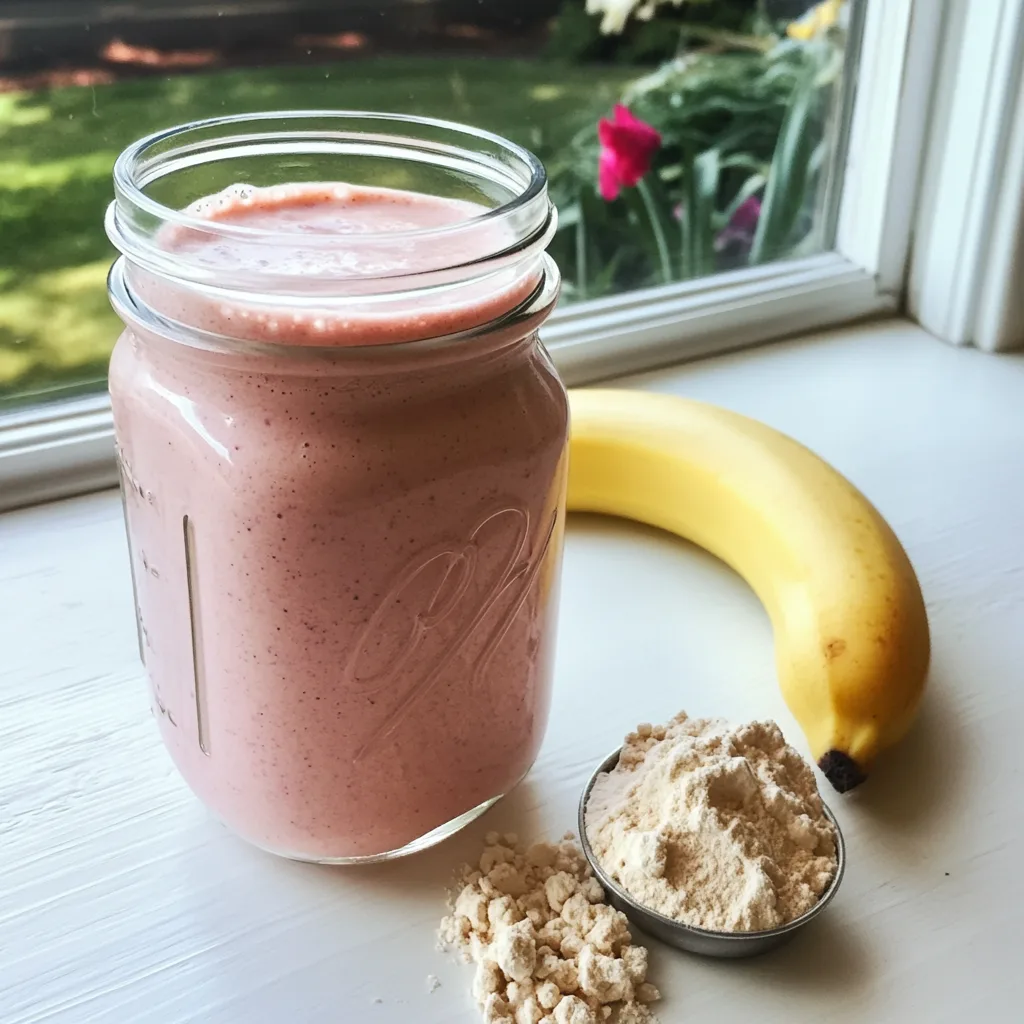
High protein breakfast recipes matter more than ever, especially when mornings feel rushed and goals feel big. Many people search for practical high protein breakfast ideas because they want steady energy, better focus, and meals that actually keep them full. In addition, anyone training regularly often looks for a high-protein breakfast for muscle gain that doesn’t feel heavy or complicated.
This page is for busy professionals, gym-goers, and anyone who wants a simple morning routine without the stress of prep. These High protein breakfast recipes focus on familiar ingredients, balanced macros, and realistic cook times. Most importantly, they taste good and fit real life. So whether you’re supporting muscle growth or want a more brilliant start to the day, you’re in the right place.
What Is a High Protein Breakfast?
What qualifies as a high protein breakfast?
A high protein breakfast delivers enough protein to support muscle repair, fullness, and steady energy. In most cases, breakfast qualifies as high protein when it contains at least 25–30 grams of protein. That’s why many high protein breakfast recipes focus on combining multiple protein sources rather than relying on just one food. Compared to carb-heavy options, protein-forward breakfasts help control hunger and reduce mid-morning snacking. Therefore, protein content matters more than portion size alone.
Protein-rich vs high protein breakfast
Many breakfasts include some protein, but that doesn’t automatically make them high-protein. For example, a slice of toast with peanut butter or a single egg provides protein, yet the total often stays under 15 grams.
Meanwhile, authentic high protein breakfast recipes intentionally reach higher protein targets. This is where easy high-protein breakfast recipes shine, since they pair foods like Greek yogurt, eggs, oats, or cottage cheese to reach meaningful levels without complicated prep. As a result, simple combinations can deliver far better results than traditional breakfasts.
Why breakfast protein matters
Protein first thing in the morning supports muscle tissue after overnight fasting. In addition, protein slows digestion, which helps stabilize blood sugar and energy levels. This means fewer crashes and better focus as the day goes on. Therefore, building breakfast around protein sets a strong tone for the entire day. Even small changes to your routine can turn an average breakfast into a more satisfying, protein-focused meal.
How Much Protein Should a Breakfast Contain?
General Protein Targets
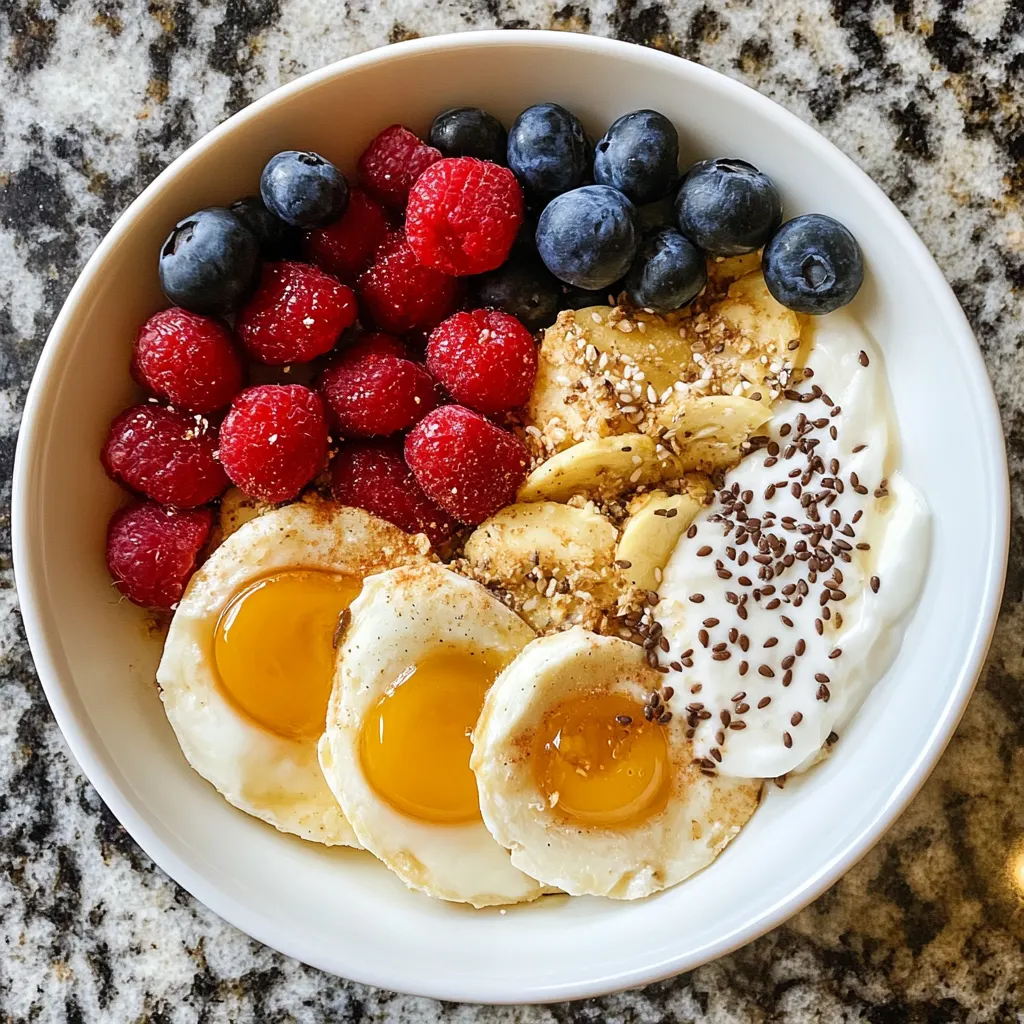
The right amount of protein at breakfast depends on your needs, yet most people benefit from clear ranges. In general, 20–30 grams of protein works well for light eaters or less active mornings. This level supports fullness and basic muscle maintenance.
Meanwhile, 30–40 grams of protein suits active lifestyles and balanced fitness goals. Many high protein breakfast recipes naturally fall into this range by combining eggs, dairy, or grains. For those with higher demands, 40g+ of protein often fits strength training or intense workout schedules. However, hitting higher numbers doesn’t require huge portions when meals are built smartly.
Protein Needs by Goal
Your goal plays a big role in how much protein you should aim for at breakfast. For weight loss, 25–35 grams usually helps manage hunger and reduce snacking later in the day. Because protein digests slowly, it supports better appetite control.
For muscle gain, higher targets often make sense. In that case, breakfast becomes an opportunity to start protein intake early rather than delaying it until later meals. Many people following a muscle-focused plan rely on structured high protein breakfast ideas to stay consistent. For maintenance, a moderate protein intake keeps energy steady without feeling excessive.
Overall, breakfast doesn’t need to carry all your daily protein needs. Instead, it should contribute a solid portion. Therefore, choosing high protein breakfast recipes that fit your goal makes mornings easier and more predictable. Even simple combinations can meet targets when planned well.
5 Easy and Quick High Protein Breakfast Recipes
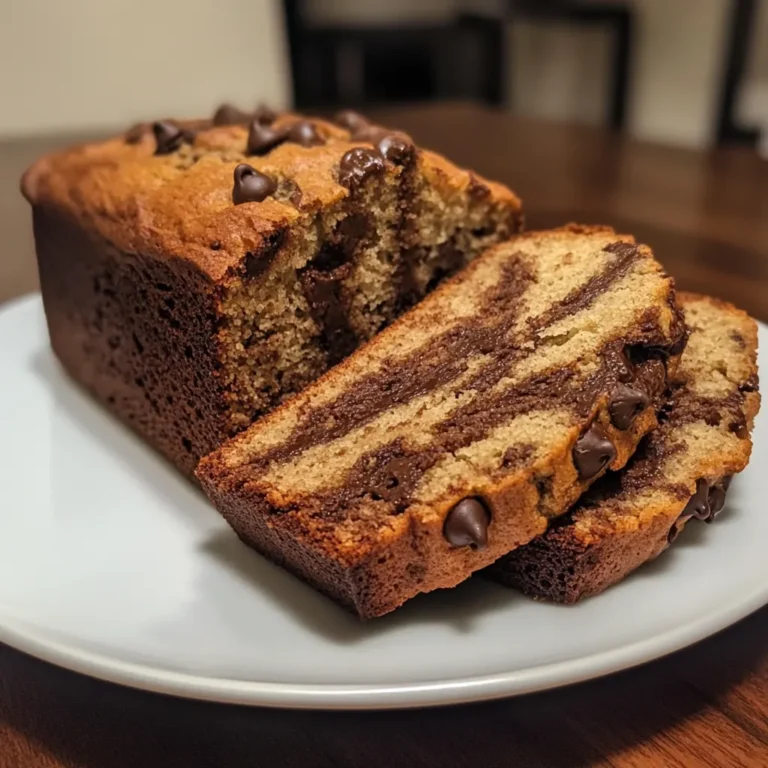
High Protein Banana Bread (Low Calorie)
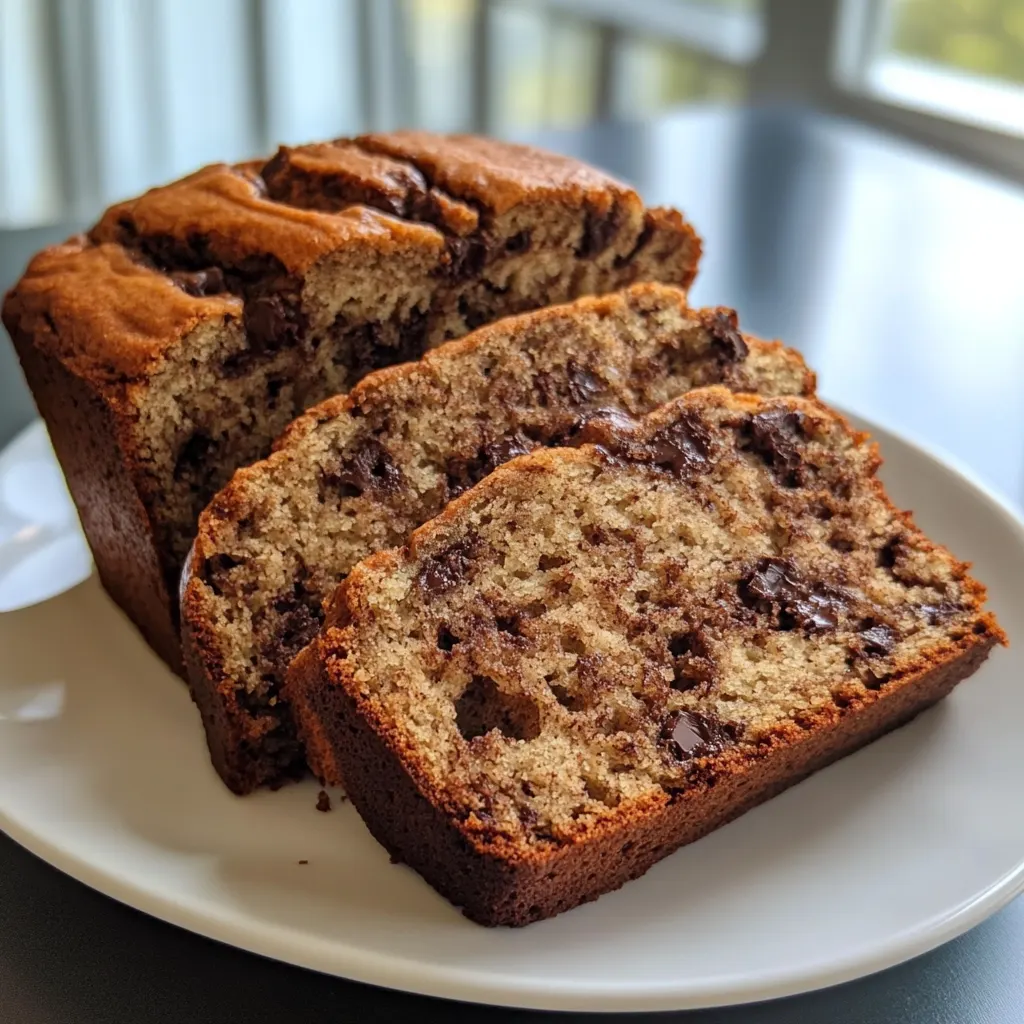
The secret to a quick breakfast isn’t always the 5-minute prep; often, it’s about zero-minute daily prep. High-protein baked goods are perfect for making ahead on Sunday and enjoying throughout the week. This particular recipe focuses on achieving a high protein, low calorie result that is perfect for meal prep and helps you stick to your nutritional goals.
This option works well when you want a baked breakfast that still fits protein goals. It uses familiar ingredients, keeps calories reasonable, and pairs well with coffee or yogurt. Because it slices easily, it also works for meal prep.
For a simple, soft, and macro-friendly option perfect for meal prep, see the Banana Bread High Protein Low Calorie recipe.
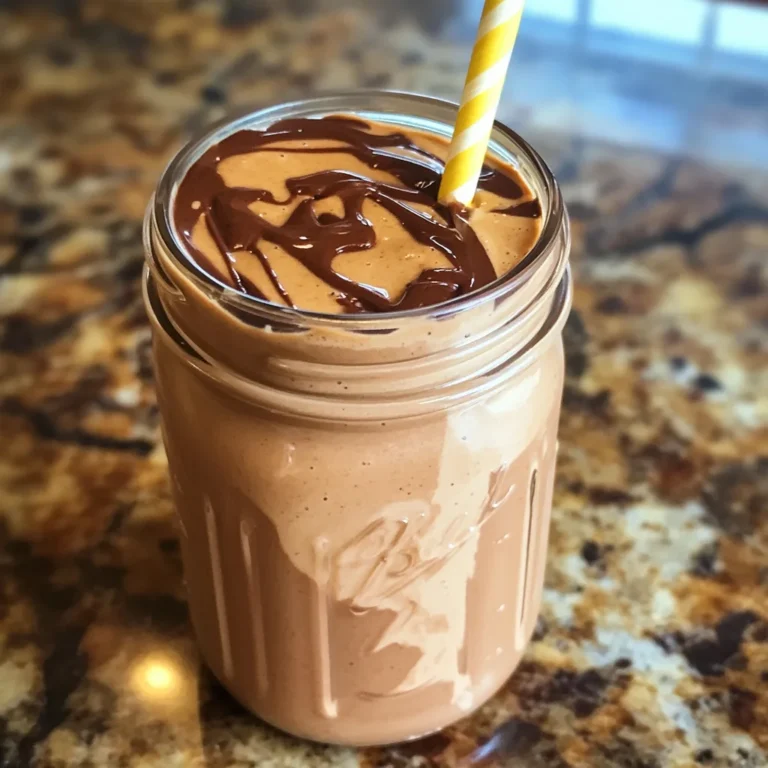
Chocolate Peanut Butter Protein Smoothie
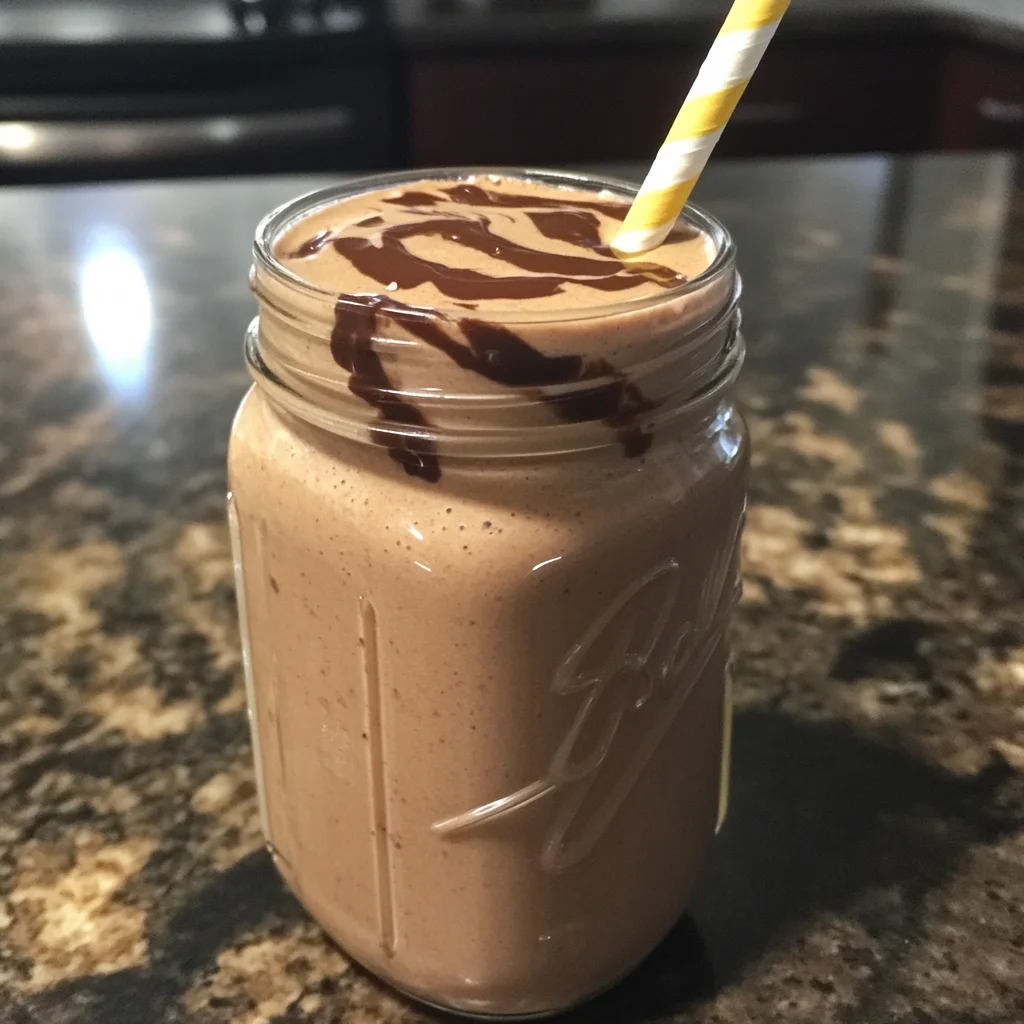
When time is the ultimate constraint, a protein smoothie is the fastest way to get a substantial, nutrient-dense meal. This strategy allows you to control macros and nutrient intake in minutes easily. Studies have shown that both solid animal-based meals and liquid plant-based drinks rich in protein can effectively stimulate satiety hormones, making them an excellent choice for curbing appetite.
Smoothies suit busy mornings when cooking time feels tight. This recipe delivers a solid protein hit while staying rich and filling. It also works as a high protein breakfast idea for post-workout mornings.
Customization: Easily blend in fruits, spinach, nuts, seeds, and fiber for a complete meal.
For a creamy, rich, and fast-to-prepare option that tastes like a treat, try the Choclate Peanut Butter Protein Powder Smoothie.
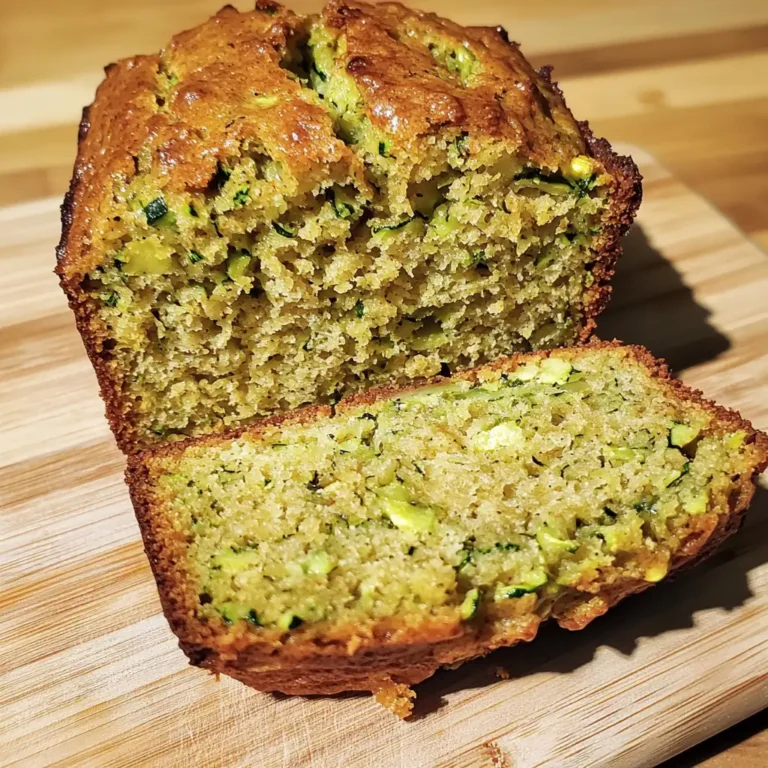
High Protein Zucchini Bread with Greek Yogurt
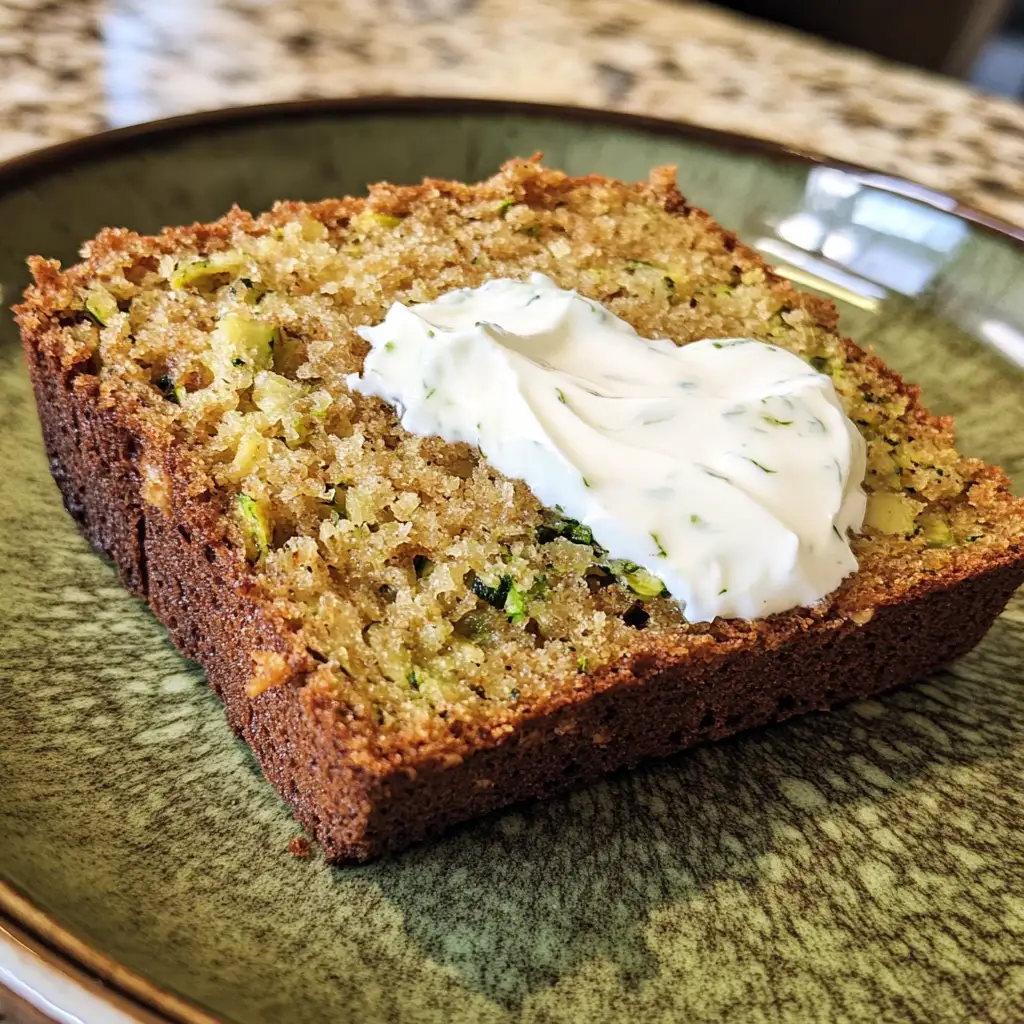
Incorporating vegetables into your breakfast is a smart way to increase micronutrient and fiber intake. Adding Greek yogurt not only significantly boosts the protein content but also ensures the loaf bakes up incredibly moist, soft, and balanced. This option provides a protein-packed loaf that you can genuinely enjoy as part of a balanced, easy, and quick high-protein breakfast routine.
This recipe blends moisture with protein using Greek yogurt instead of heavier fats. As a result, it feels lighter while still supporting high protein breakfast recipes goals. It also adds vegetables without significantly changing the flavor.
Learn how to make the High Protein Zucchini Bread with Greek Yogurt that bakes up moist, soft, and balanced. It’s a balanced, protein-packed loaf perfect for breakfast or snacks that keeps you full until lunch.
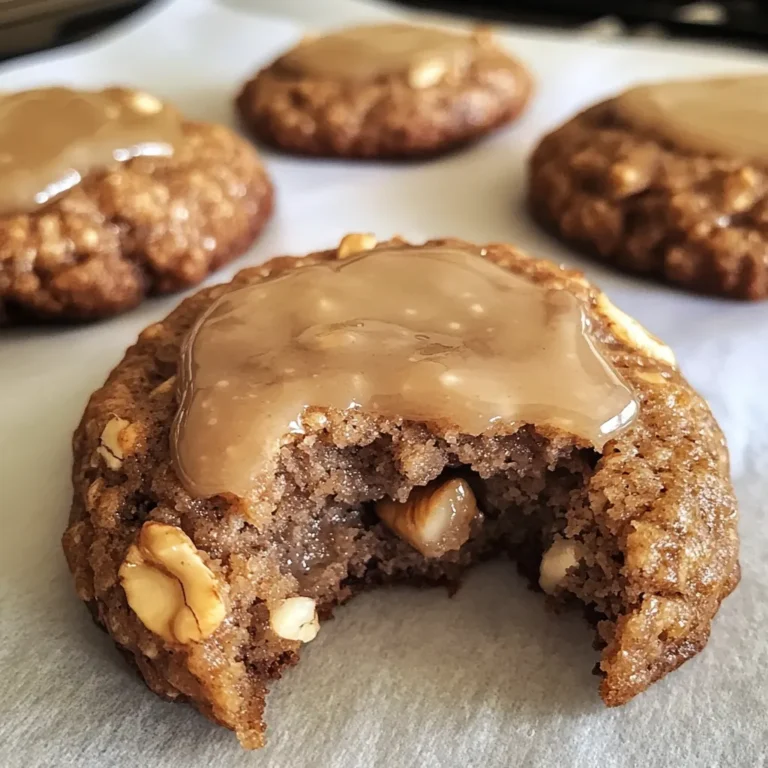
High Protein Banana Bread Cookies
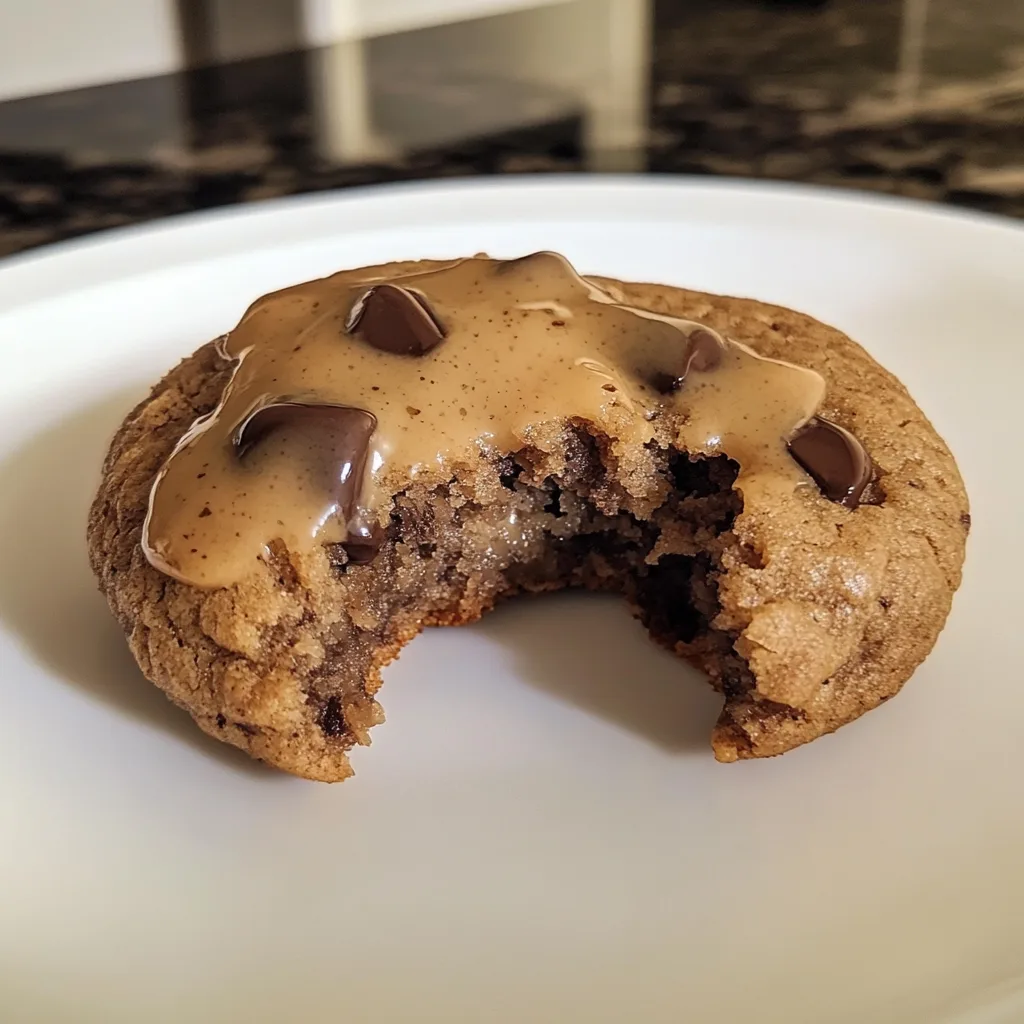
Forget processed protein bars; healthy, homemade, high protein banana bread cookies offer the perfect grab-and-go solution. They combine the comfort of a baked good with the necessity of protein, making them ideal for busy mornings or as a mid-morning snack. This is a practical, sustainable choice that aligns perfectly with a busy schedule.
When you want something quick and portable, these cookies work well. They feel snack-like, yet they still fit into structured breakfasts. Therefore, they’re helpful for mornings on the go.
Try the soft, quick, and protein-packed High Protein Banana Bread Cookies for an easy, on-the-go breakfast solution.
High Protein Pumpkin Muffins (No Protein Powder)
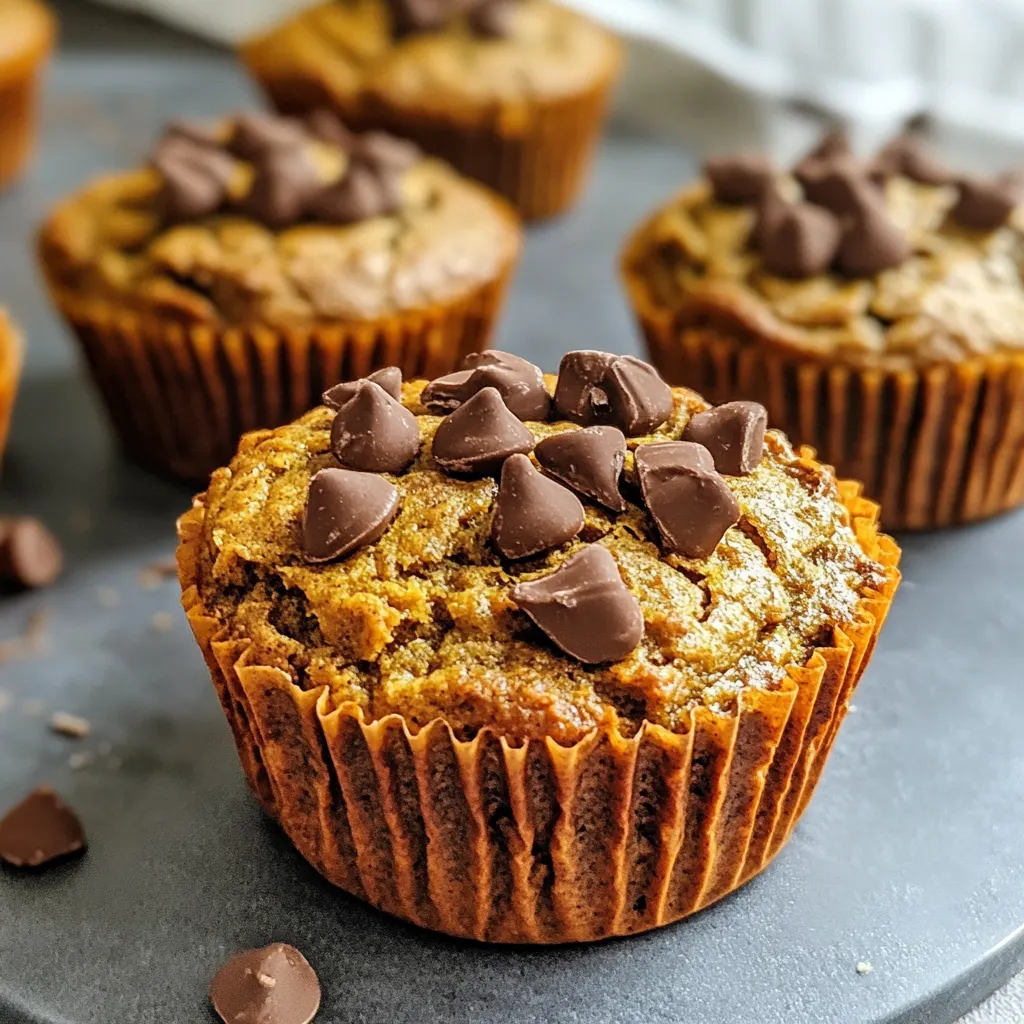
For those seeking an easy and quick high protein breakfast without relying on protein powders, muffins made with whole-food ingredients are an excellent alternative. Using ingredients like eggs, Greek yogurt, or nut butters naturally boosts the protein content while maintaining a satisfying texture. This approach leverages the appetite-suppressing effects of whole-food protein and fiber to make mornings cozy and satisfying.
This option suits readers who prefer whole-food protein sources. Even without protein powder, the recipe still supports easy high-protein breakfast recipes needs. In addition, muffins store well for several days.
Discover the High Protein Pumpkin Muffins Without Protein Powder made with whole-food ingredients, perfect for meal prep and cozy mornings.
Best Protein Sources for Easy High-Protein Breakfast Recipes
Animal-Based Protein Sources
Animal-based foods provide complete proteins, which means they contain all essential amino acids. Because of this, they work exceptionally well in easy high-protein breakfast recipes focused on muscle support and lasting fullness. Eggs remain a popular option since they cook quickly and pair easily with other ingredients. Greek yogurt offers a strong protein-to-calorie ratio, which makes it useful for both weight control and muscle-focused mornings. Cottage cheese also fits nicely into breakfast bowls, baked goods, or simple no-cook meals. Together, these foods form the foundation of many reliable, protein-forward breakfasts.
Plant-Based Protein Sources
Plant-based ingredients can also support easy, high-protein breakfast recipes when used intentionally. Oats add a modest amount of protein while also supplying fiber for longer-lasting energy. Legumes, including lentils and chickpeas, may not be traditional breakfast foods, yet they work well in savory morning dishes. Seeds, such as chia or flax, contribute small amounts of protein while helping with texture and satiety. When needed, protein powder can be added to close small protein gaps, especially on busy mornings.
Overall, the best protein source depends on taste preferences and daily routine. Therefore, mixing animal and plant-based options often leads to better balance and consistency. When chosen well, these ingredients keep easy high-protein breakfast recipes practical, filling, and enjoyable.
Common High Protein Cooking Mistakes
Ignoring Fiber and Balance
One of the most common mistakes with protein-focused meals is focusing only on protein grams. While protein matters, breakfast still needs balance. Without fiber from fruits, whole grains, or seeds, fullness may not last. Therefore, high protein breakfast recipes work best when protein pairs with fiber-rich ingredients like oats, berries, or vegetables. This balance supports better digestion and steadier morning energy.
Relying Too Much on Protein Powder
Protein powder can be helpful, especially on busy mornings. However, relying on it too often can limit variety and texture. Whole-food protein sources provide more satisfaction and better long-term consistency. That’s why rotating eggs, Greek yogurt, cottage cheese, and plant-based options often works better. In short, protein powder should support high protein breakfast recipes, not replace real foods every day.
Assuming High Protein Means Low Calorie
High protein doesn’t automatically mean low calorie. Some protein-rich breakfasts also include added fats or sweeteners. Therefore, portion size still matters, especially with baked goods or smoothies. Keeping ingredient lists simple helps high protein breakfast recipes stay aligned with your goals.
Dry or Unpleasant Texture
Another common issue is a dry or rubbery texture. This usually happens when recipes cut too much fat or overcook protein-heavy batters. Adding moisture from yogurt, fruit, or healthy fats often improves results. As a result, high protein breakfast recipes taste better and feel easier to stick with over time.
Expert Tips for Better High Protein Breakfast Recipes
Improve Texture and Moisture
One challenge with high protein breakfast recipes is texture. Protein-heavy batters can turn dry if the moisture drops too low. Therefore, adding ingredients like Greek yogurt, mashed fruit, or milk often helps keep breakfasts soft and enjoyable.
Also, cooking methods matter. Lower oven temperatures and shorter cook times usually prevent toughness. When possible, test doneness early rather than waiting for visual browning alone. As a result, breakfasts feel more balanced and easier to enjoy day after day.
Balance Flavor in High Protein Breakfast Recipes
Protein-forward meals still need flavor to feel satisfying. That’s why seasoning and contrast matter. For savory breakfasts, herbs, spices, and a small amount of fat often improve taste without overpowering protein.
Meanwhile, sweet breakfasts benefit from natural sweetness, such as fruit or vanilla, rather than excess sugar. In addition, mixing textures—soft, crunchy, and creamy—keeps meals interesting. These minor adjustments help high-protein breakfast recipes feel less repetitive and more realistic in the long term.
Savory vs Sweet Protein Strategies
Savory and sweet breakfasts both work, yet they suit different mornings. Savory options often feel more filling, especially when built around eggs or dairy. Sweet options work well when paired with fiber and fat for balance. Therefore, rotating between the two prevents boredom and supports consistency. Flexibility matters more than sticking to one style.
Batch Cooking and Storage Tips
Planning makes protein-focused mornings easier. Batch cooking baked breakfasts or pre-portioning yogurt bowls saves time during the week. Also, storing items in airtight containers helps preserve texture. When breakfasts feel convenient, consistency becomes much easier.
High Protein Breakfast Recipes: Frequently Asked Questions
What qualifies as a high protein breakfast?
A breakfast is considered high-protein when it provides at least 25–30 grams of protein. Many high protein breakfast recipes reach this level by combining foods like eggs, Greek yogurt, cottage cheese, oats, or legumes. The key is total protein per meal, not just including one protein food.
How to eat 40g of protein for breakfast?
Reaching 40 grams of protein at breakfast usually requires combining multiple sources. For example, eggs paired with Greek yogurt, or a protein-rich smoothie alongside a baked breakfast, can work well. Many high protein breakfast recipes designed for active lifestyles already fall into this higher range without needing large portions.
How to get 30g protein in breakfast?
Getting 30 grams of protein is often easier than it sounds. Greek yogurt bowls, egg-based breakfasts, or protein-focused baked goods can naturally reach this target. Choosing high protein breakfast recipes that combine protein with fiber helps keep meals filling and balanced.
What is better for breakfast, Greek yogurt or eggs?
Both options work well, and the better choice depends on preference and routine. Eggs suit savory breakfasts and cook quickly. Greek yogurt works well for no-cook or sweet breakfasts and pairs easily with fruit and grains. Many high protein breakfast recipes use both to add variety.
What is the best protein to eat first thing in the morning?
The best protein is one you digest well and enjoy eating consistently. Eggs, dairy-based proteins, and mixed plant-based sources all work. Starting the day with protein helps support fullness and steady energy, especially when meals follow structured high protein breakfast recipes.
Conclusion
Building your mornings around high protein breakfast recipes doesn’t have to feel complicated or restrictive. With the right balance of protein, fiber, and familiar ingredients, breakfast can support fullness, steady energy, and long-term consistency. Whether you prefer baked options, quick bowls, or no-cook meals, small choices add up over time.
The key is choosing breakfasts that fit your routine and taste preferences. When meals feel realistic and enjoyable, sticking with protein-focused mornings becomes much easier. Start simple, rotate ingredients, and adjust portions based on your goals. With that approach, high protein breakfast recipes can become a reliable part of your daily routine rather than another thing to manage.